
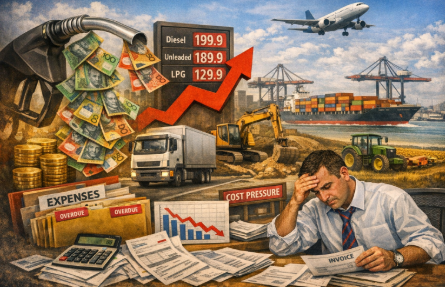
Fuel prices have become a growing concern for many Australian businesses, and the impact goes well beyond the bowser. Whether you operate a fleet of vehicles, rely on regular deliveries, or simply commute to meet clients, rising fuel costs can quietly erode profitability if not actively managed.
For businesses in transport, construction, agriculture and trades, fuel is often a major operating expense. Even modest increases can significantly affect margins, particularly where contracts are fixed and costs cannot be easily passed on to customers. For others, higher fuel prices flow through indirectly via increased freight, supplier charges and logistics costs, pushing up the overall cost of doing business.
Cash flow pressure is another key issue. Fuel is a recurring, unavoidable expense, and when prices spike, businesses may find working capital stretched. This can limit flexibility, delay investment decisions, or require short‑term financing to cover day‑to‑day costs.
Rising fuel costs can also influence pricing decisions and customer behaviour. Businesses may be forced to review pricing models, introduce fuel surcharges, or absorb costs to remain competitive. At the same time, customers facing their own cost pressures may become more price‑sensitive, making these decisions even more challenging.
From a planning perspective, fuel price volatility highlights the importance of regular budgeting and cost reviews. Monitoring vehicle usage, maintaining logbooks, reviewing supplier contracts, and considering more fuel‑efficient vehicles or alternative arrangements can all help manage exposure over time.
While businesses can’t control global fuel prices, they can control how well they plan for and respond to them. Proactive cost management and regular financial reviews can make a meaningful difference in protecting margins and maintaining long‑term sustainability.
Disclaimer: The information contained in this article is provided for general guidance only and does not constitute financial, taxation, legal, or other professional advice. While every effort has been made to ensure the accuracy and completeness of the information at the time of compilation, it may not address the specific circumstances, requirements, or objectives of you and/or your business.